FREE SHIPPING by ePacket+Coupon: keepioneer
Register | Login | Track Order | Blog
FREE SHIPPING by ePacket+Coupon: keepioneer
Register | Login | Track Order | Blog


Rimless glasses are just frameless glasses. These glasses have lenses fixed directly on the bridge and/or temple.
Such no-rim glasses first originated in the late 19th and early 20th centuries and were popular as prince-Nez.
However, the first version only squeezed the nose and lacked earpieces. There were also only a few options, and the quality was subpar. They were less long-lasting and not so visually pleasant.
Luckily, thanks to modernity, the improvised and sophisticated versions of rimless glasses are now available on the market. And these glasses come in different styles. But the question is, how are they any better than framed glasses?
To address the stability issue, lenses should be made of a polycarbonate plastic. Polycarbonate – the same material used to manufacture airplane canopies and bulletproof glass – is highly impact-resistant and rugged enough to withstand the vulnerably of exposure in rimless glasses.

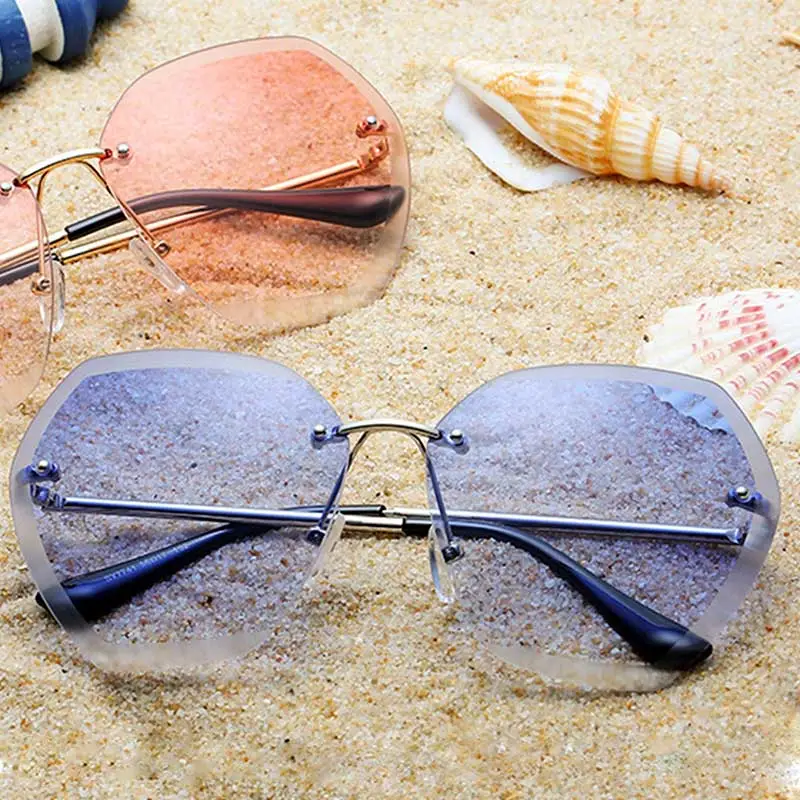
Rimless glasses come with certain drawbacks: they can be fragile and prone to smudging or streaking, as well as being more expensive than framed styles. There is also a limited range of prescription lenses compared to rimmed glasses and the natural look may not appeal to those who prefer bolder eyewear style choices.
Rimless glasses will not put any pressure on your face because they are so lightweight. Since rimless glasses are not heavy on your face, you will not have to worry about any scratches or marks on your face. Many people prefer to wear rimless glasses because of the comfortable feeling they have when they wear them.
Rimless glasses help bring more focus to your face and allow for a subtle look. In the 21st century, frameless glasses are usually made with quality, lightweight and durable materials, such as titanium, as they are more delicate than standard glasses.
Rimless eyeglasses and frames with oval or cat-eye shapes can also be good choices. While oval and rimless frames will help compliment wide or high cheekbones, steer away from narrow or thin frames and shapes that overpower your cheekbones.

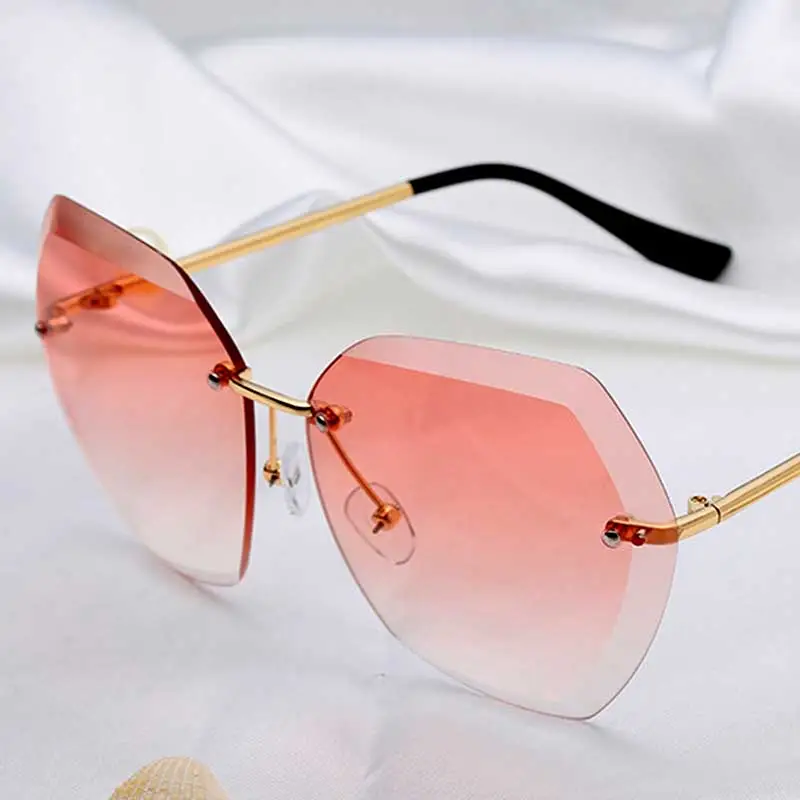
Regular Cleaning-Should be done once daily for heavy oil and dirt deposits. These should be removed with warm running water and a dishwashing detergent (Ivory clear is excellent). Dry with a soft, clean cloth while holding the edge of the lens not the bridge.